
Understanding the psychology behind gambling behavior and its impact on decision-making
Understanding the psychology behind gambling behavior and its impact on decision-making
The Nature of Gambling Psychology
Gambling is a multifaceted activity deeply rooted in psychological mechanisms. At its core, the psychology of gambling involves an interplay of excitement, risk-taking, and reward anticipation. Individuals often enter a gambling setting with a mixture of hope and apprehension, driving their behavior. The thrill of winning can create a dopamine rush that reinforces the gambling habit, making it hard for individuals to recognize the associated risks and potential for loss. Moreover, players can explore more about their options at https://genierichescasino.co.uk/, which offers a safe environment for gaming.
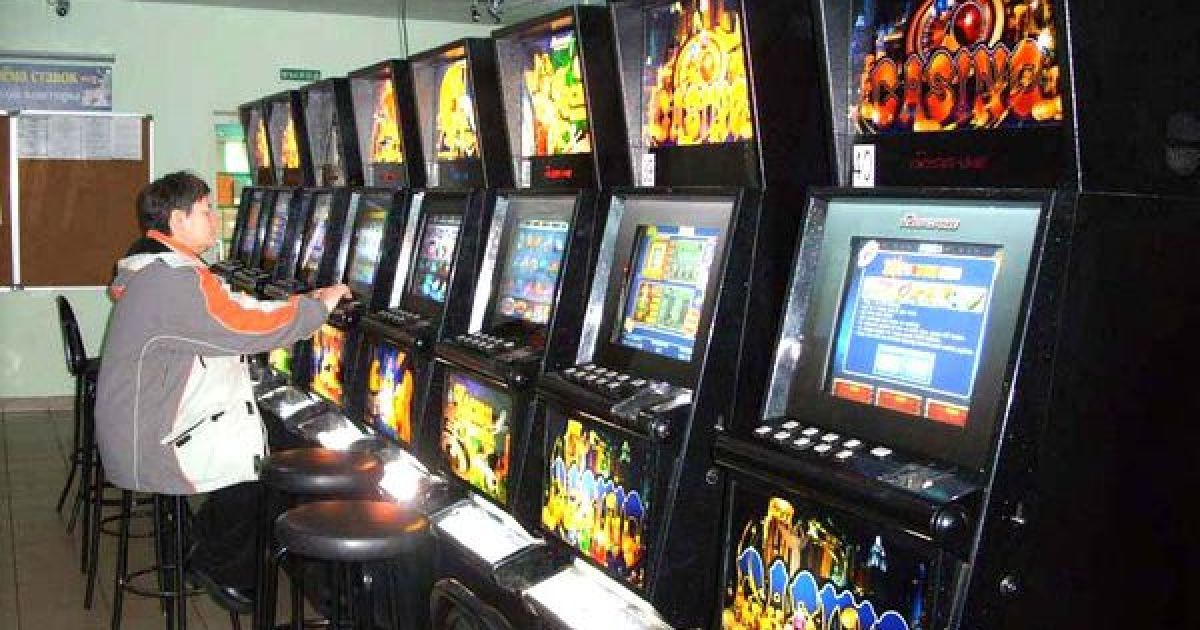
This dopamine effect not only fuels the desire to gamble but also influences decision-making processes. Gamblers may begin to develop cognitive biases, such as the illusion of control, where they believe they can influence the outcome of random events. This can lead to an escalation of gambling behaviors, as players might think that with enough effort or strategy, they can turn their luck around. Understanding these psychological nuances is crucial to grasping why many struggle with managing their gambling habits.
Furthermore, the social environment can amplify gambling behavior. Peer influences and societal norms surrounding gambling can create a sense of acceptance or excitement that encourages more frequent gambling. Group dynamics often foster competition and a desire to fit in, which can lead individuals to place larger bets than they might alone. These social factors contribute significantly to the psychological landscape of gambling, driving both recreational and problematic behaviors.
The Role of Cognitive Biases
Cognitive biases are mental shortcuts that can lead individuals to make illogical or distorted judgments, especially in gambling. One prevalent bias is the “gambler’s fallacy,” where individuals mistakenly believe that past random events influence future outcomes. For example, if a roulette wheel lands on red several times in a row, a player may wrongly conclude that black is due next. Such misconceptions can lead to reckless betting patterns and significant financial losses.
Another common cognitive bias in gambling is the “hot-hand fallacy,” which encourages players to think they are on a winning streak. This misconception can lead them to increase their bets, believing their success will continue indefinitely. In both cases, these biases are rooted in the human desire to find patterns and meaning in randomness, which significantly affects decision-making. Recognizing these biases is essential for anyone involved in gambling, as they can often lead to detrimental choices.
Lastly, cognitive dissonance often plays a role in how gamblers justify their decisions. Players may rationalize their losses or convince themselves that they are “due” for a win, leading to continued gambling behavior despite negative outcomes. This rationalization not only exacerbates financial issues but can also damage personal relationships, as individuals prioritize gambling over other responsibilities. Addressing these cognitive biases is vital for developing healthier gambling habits and making informed decisions.
Impulsivity and Emotional Factors
Impulsivity is a significant factor in gambling behavior. People who engage in gambling often struggle with impulse control, which can lead to spontaneous decisions that disregard long-term consequences. This impulsivity can be fueled by various emotional states, including stress, anxiety, or depression. Gambling may serve as a coping mechanism, providing a temporary escape or thrill that distracts from underlying issues.
Emotions play a pivotal role in decision-making related to gambling. When individuals are emotionally charged—whether excited from a win or distressed from a loss—their judgment can become clouded. This emotional rollercoaster can lead to over-betting or chasing losses, further escalating gambling behaviors. Understanding these emotional triggers is essential for gamblers seeking to make more rational, balanced decisions.
Moreover, the cycle of winning and losing can create an emotional dependency on gambling. The highs of wins can be exhilarating, leading individuals to seek out more gambling experiences. Conversely, the lows of losses can trigger feelings of desperation, leading to further gambling in an attempt to recoup losses. This emotional cycle can entrap individuals in a gambling addiction, emphasizing the importance of emotional awareness and self-regulation in the decision-making process.
Financial Management Strategies in Gambling
Effective financial management strategies are crucial for individuals engaged in gambling activities. Setting strict budgets is one of the most vital strategies. By determining a specific amount of money to spend and adhering to it, individuals can prevent overspending and mitigate the risk of severe financial repercussions. This approach also encourages mindful gambling, prompting individuals to enjoy the experience without the pressure of potential financial devastation.
Another essential strategy is to establish time limits. Gambling can quickly become an all-consuming activity, leading to extended sessions that can deplete finances. By setting specific timeframes for gambling, individuals can create a more balanced relationship with the activity. This allows for enjoyment without losing track of time and can help individuals maintain a healthier lifestyle overall.
Lastly, seeking support from resources like responsible gambling organizations can also enhance financial management strategies. These organizations provide tools and education aimed at fostering healthier gambling habits. Whether through workshops, counseling, or online resources, they equip gamblers with the skills needed to make informed decisions and manage their finances better, ultimately promoting a safer and more enjoyable gambling experience.

Genie Riches Casino and Responsible Gaming
Genie Riches Casino stands as a premier online gaming platform, especially designed for players in the UK. With a broad array of over 700 games, including slots, table games, and live dealer options, it offers an engaging and varied gaming experience. Understanding the psychology behind gambling behavior, the casino promotes a commitment to responsible gaming, ensuring that players enjoy their experience while being mindful of their limits.
The platform emphasizes safety and fairness, being fully licensed by the UK Gambling Commission. Advanced security measures are in place to protect user data and ensure fair play. In addition, Genie Riches provides attractive bonuses and reliable customer support, further enhancing user trust and satisfaction. This commitment to integrity helps create a responsible gaming atmosphere, aligning with the best practices for managing gambling behavior.
Ultimately, Genie Riches Casino prioritizes player well-being by encouraging responsible gaming practices. By integrating educational resources and tools for setting limits, the platform empowers players to make informed decisions. This holistic approach to gaming ensures that individuals can enjoy the thrill of gambling while maintaining control over their choices and finances, reinforcing the importance of understanding the psychological aspects of gambling behavior.